
Why Choose Us?
Quality Assurance
Our products meet the strictest safety standards and have undergone rigorous testing to ensure the highest quality.
Competitive Pricing
We offer competitive pricing without compromising on quality.
Customer Service
We provide excellent customer service with a dedicated team to offer support and answer any questions.
Fast Delivery
We offer fast and efficient delivery of our products.
Rich Experience
We have years of experience in the industry and have built a reputation for reliability and quality.
Wide Product Range
We offer a wide range of products to meet the needs of various industries and applications.
What is Belt Buckle?
Belt buckle is a clasp or closure used to fasten the end of a belt. It typically consists of a metal frame with a hinged bar or hook that fits through the belt hole and secures it in place. Belt buckles come in a variety of designs, sizes, and materials, and may be purely ornamental or feature functional elements such as a bottle opener or knife.
-

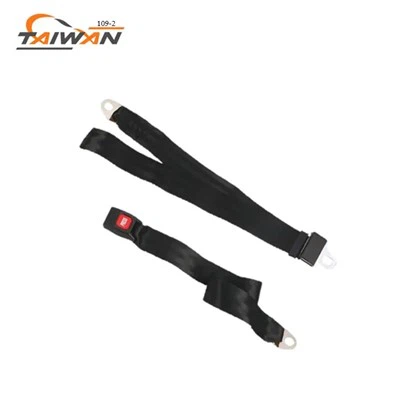
Belt Seat Belt Buckle
Type:Safety Belt. Material:Polyester. Point Type:3 Points. Size:93 or according to you need. Add to Inquiry -
Custom Seat Belt Buckles
Type:Safety Belts Buckle. Material:steel. Point Type:customized. Size:2. Add to Inquiry -
Seat Belt and Buckle
Type:Safety Belt. Material:Polyester. Point Type:3 Points. Size:93 or according to you need. Add to Inquiry -
Middle Seat Belt Buckle
Type:Safety Belts Buckle. Material:steel. Point Type:all type. Size:2. Add to Inquiry -
Car Seat Belt Buckle Replacement
Type:Safety Belts Buckle. Material:steel. Point Type:all type. Size:2. Add to Inquiry -
Rear Seat Belt Buckle Replacement
Type:Safety Belts Buckle. Material:steel. Point Type:all type. Size:2. Add to Inquiry -
Buckle Passenger
Type:Safety Belts Buckle. Material:steel. Point Type:customized. Size:2. Add to Inquiry -
New Seat Belt Buckle
Type:Safety Belts Buckle. Material:steel. Point Type:customized. Size:2. Add to Inquiry -
Safety Buckle Pro
Type:Safety Belts Buckle. Material:steel. Point Type:customized. Size:2. Add to Inquiry -
Car Buckle
Type:Safety Belts Buckle. Material:steel. Point Type:customized. Size:2. Add to Inquiry -
Safety Buckle
Type:Safety Belts Buckle. Material:steel. Point Type:customized. Size:2. Add to Inquiry -
4 Inch Belt Buckle
Type:Safety Belts Buckle. Material:steel. Point Type:any type. Size:2. Add to Inquiry




Advantages of Belt Buckle
Safety
One of the most significant advantages of belt buckle is that it promotes safety while driving. The buckle helps to secure the driver or passengers in their seats during a collision or sudden stop, reducing the risk of injury.
01
Easy to Use
Belt buckle is easy to use and can be operated with one hand. This makes it quick and convenient for drivers and passengers to buckle up and stay safe on the road.
02
Comfort
Belt buckle is designed to provide comfort to the driver and passengers. The buckle sits close to the body and does not cause any discomfort or irritation during long journeys.
03
Customizable
Belt buckle comes in different shapes, sizes and colors, which makes it customizable to fit the individual needs and preferences of drivers and passengers.
04
Affordable
The cost of belt buckle is affordable, and it is readily available in most automobile stores or online. This means that drivers and passengers can easily replace their worn-out or damaged seat belt buckle without breaking the bank.
05
Types of Belt Buckle
01/
Plate Buckles
Plate buckles are frequently ornate and very attractive. Any belt that accessorizes using a plate-type of a belt buckle has snaps and is detachable.
02/
Formal Buckle
This is the most recognized type of belt buckle. The majority of formal belts have frame-style buckles. Here, the strap of the belt will go through the frame of your clasp. After which, the prong is put into one of the strap holes to fasten your belt shut.
03/
Dress Buckle
The dress belt buckle has a distinctive design used on dresses explicitly. Unlike formal or casual belts, it is round, smaller, and flatter. If you are wearing a dress belt, make sure to choose the right dress belt buckle. Most dress buckles are shiny, sleek, and often gold or silver in color. Their designs look very flashy on leather belts.
04/
Cowboy Belt Buckle
A cowboy belt will look pretty great if accessorized with a plate-style buckle. This buckle is detachable with snaps. The plat is often decorative and attractive, and it pulls an excellent fashion statement. An impressive description of a plate belt buckle is best on a cowboy belt.
05/
Dor O-ring Belt Buckle
The D-Ring and O-Ring belt buckle have at least two rings that form. Made in a D or O shape, the belt that uses this type of belt buckle will pass its straps through the rings. The belt strap is tightened via the rings to ensure the buckle fits in well. The belt can be either canvas, casual, or braided, made of very light materials.
06/
Box Frame Buckles
Unlike other belt buckles, the box frame buckles do not need holes or prongs on the belt strap. It has a metal clasp and post that holds the belt tightly in place in the box. The box buckle is open-ended, hollow, and metallic. The belt strap will pass through the box frame while its buckle is open. This kind of belt buckle is excellent for men's leather belts.
Material of Belt Buckle
Metal
Metal is one of the most popular materials for belt buckles due to its durability and versatility. There are several types of metal used in belt buckle production, including brass, stainless steel, copper, silver, gold, pewter, zamak, zinc alloy, and titanium.
The advantages of metal buckles include their durability, versatility, and range of designs. Metal buckles can be made to suit different styles and purposes, from casual to formal wear. They are also easy to clean and maintain. However, metal buckles can be heavy and uncomfortable, especially when worn for extended periods.
Plastic
Plastic buckles are a lightweight and affordable alternative to metal buckles, making them ideal for casual wear and children’s belts. Common plastic materials used for belt buckles include acrylic, nylon, and polyurethane.
The advantages of plastic buckles include their affordability, lightweight, and range of designs. Plastic buckles can be made in a variety of colors and patterns, making them a popular choice for children’s belts and casual wear. However, plastic buckles may not be as durable or long-lasting as metal or leather buckles, and they can break or crack over time.
Wood
Wooden buckles are a unique and stylish option for belt buckles, known for their natural look and feel. Common types of wood used for belt buckles include mahogany, oak, and walnut. Mahogany is a hardwood known for its durability and resistance to decay, making it a popular choice for furniture and outdoor products. Oak is a sturdy and dense wood that is often used for building and construction. Walnut is a hardwood known for its aesthetic appeal and versatility.
The advantages of wooden buckles include their natural beauty, lightweight, and unique design options. Wooden buckles can be made in a variety of shapes and sizes, and they offer a natural alternative to metal and plastic buckles. However, wooden buckles may not be as durable or long-lasting as metal or leather buckles, and they can be prone to cracking or splitting over time.
Application of Belt Buckle
The application of a seat belt buckle is to fasten the seat belt in a vehicle. The seat belt buckle serves as a mechanism to hold the two ends of the seat belt together, securely fastening the passenger to the seat. This ensures safety in the event of a collision or sudden stop, as the seat belt helps to prevent the passenger from being thrown forward or out of their seat. The application of the seat belt buckle is a vital step in buckling up before driving, as it helps to reduce the risk of injury or fatality in the event of an accident.
Components of Belt Buckle
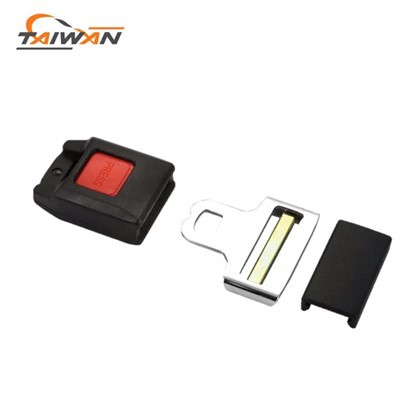
Buckle Base
This is the structural frame of the buckle that holds all the other components together.
Buckle Tongue
The tongue is the metal or plastic part of the buckle that clicks and locks onto the buckle base. This is what holds the seat belt in place.
Release Button
Release button is used to disengage the buckle tongue from the buckle base to release the seat belt.
Retaining Clip
Retaining clip is a small metal or plastic piece that keeps the seat belt tongue attached to the seat belt when it is not in use.
Tensioner
A tensioner is a small spring-loaded device that keeps the seat belt tight against the passenger's body during a sudden stop or collision.
Sensor
Some seat belt buckles may also have sensors that detect if the buckle is engaged or not, and alert the driver if the seat belt is not being worn.
How To Replace Belt Buckle
One of the most widely used items in your vehicle is the seatbelt buckle. Overtime the catch which is located on the inside of the buckle becomes worn out. It will eventually lose its ability to hold the seatbelt safely and securely. If you find that the your seatbelt is not locking properly into the buckle or if you're able to pull it free without pressing the release button, then it's time that you go in and learn how to replace seat belt buckle. In many of the vehicles, it is very easy to access the buckle mounting. What’s more they can even be removed with simple hand tools. Here are some tips which will help you:
Step 1
In order to know how to replace seat belt buckle it is necessary for you to purchase a replacement seat belt buckle, many brands are available. It’s possible for you to purchase seat belt buckle replacements from any auto supply store or online. With luck by your side and if your car is less than a year old then you can easily purchase the replacement from the dealer or the manufacturer.
Step 2
If you wish to know how to replace seat belt buckle it is necessary for you to find the buckle’s mounting point in the car. In many cars the seat belt buckle is found bolted to the floor of the car.
Step 3
In order to replace the seat belt buckle it is necessary for you to first unscrew the bolt, washer and nut. You can easily do this by rotating the nut to the left with the help of an adjustable wrench. The bolt may be sticky if your car is older due to grime buildup or rust. If it is not possible to turn the bolt with a wrench which is adjustable, your next best bet for some extra turning power will be to use a torque wrench.
Step 4
In the last step if you still wish to learn how to replace seat belt buckle it is advisable that the new buckle is repositioned and screwed into place. It is possible to do this by making use of the new bolt, nut and washer which are included with the buckle.

Working Principle of Belt Buckle
Seat belt buckles work by locking the mechanism’s tongue or seatbelt retractor (otherwise known as the male part) into the buckle (female part). The tongue pushes past a small spring tab and compresses the springs inside of the buckle. Once the tongue has fully compressed the springs, the spring tab rises back up in the gap in the middle of the tongue, locking it into position. When the release button is pressed, the tab is compressed again. Since nothing is holding the tongue into place, it rises and releases from the buckle.
Sometimes, the seat belt buckle mechanism can stop working. The tab can get stuck and fail to rise and lock the tongue into position, preventing you from buckling up. Sometimes, the springs can become jammed and refuse to compress when the tongue is pressed against them. In other cases, if the release button is jammed, you might be prevented from unbuckling.
How to Open a Seat Belt Buckle
Inspect the Seat Belt Tongue for Deformities
These can cause the seat belt buckle to latch improperly or to release only with great difficulty. The tongue is the silver shaped part of the buckle with a hole in the center, also sometimes referred to as the “male” connector. If the seat belt tongue is deformed, it will likely need to be replaced entirely.
Wiggle a Thin or Pointed Object in the Buckle
An item such as a butter knife will do nicely. This will hopefully dislodge any foreign objects that may be inside, and is usually sufficient to restore the buckle to proper working order. Items like paper clips, coins, and even small toys can get lodged inside the buckle, impeding the releasing and latching of the tongue.
Remove the Female Part of the Buckle from the Side of the Seat
This might require removing the front seats to gain access to the nut and bolt holding the buckle in place. To remove the nut and bolt, use a basic socket set and ratchet or a simple wrench.
Turn the Buckle Upside down and Wiggle a Thin or Pointed Object Inside
Again, a butter knife would work well. If you’re certain there is an object inside the buckle, try to shake the buckle as you wiggle the pointed object to increase the chances of the obstruction falling out.
Pry the Buckle Open if the Foreign Object Remains Inside the Buckle
Some buckles can be opened by loosening a couple screws. Otherwise, use a flathead screwdriver to force the buckle open. Exercise caution as you open the buckle, as springs and other buckle parts might fly free when you do this.
Test the Buckle After Removing the Foreign Object
Push the red button and make sure the springs and other internal mechanisms are operating properly. If the springs are rusty, spray a lubricant on the springs to smoothen the spring action.
Reassemble the Seat Belt Buckle
Find the indentation on the plastic cover, as this is the side that should point towards the clip. Press the plastic cover back onto the buckle, then bolt the buckle back in place. If the buckle still won’t work, you will have to replace it entirely.
5 Essential Steps to Fix a Belt Buckle


Clean the Tongue of the Seat Belt Buckle
Before taking any other steps to fix your seatbelt buckle, you should clean the seat belt tongue to ensure that caked-up grime isn’t preventing it from going inside the buckle. You can usually scrape debris off by hand, but if any substances on the tongue are giving you extra trouble, warm and soapy water or cleaners generally work to dissolve any sticky or hardened grime.
Repair the Buckle of the Seat Belt Buckle With No Disassembly
If your seatbelt buckle still isn’t working despite cleaning the tongue, it’s time to start cleaning the buckle itself. Removing the buckle and cleaning the internal mechanism can be a hassle, though, so it’s worth starting with a few easy no-disassembly methods to see if they resolve your buckling problem. You can begin by using a thin tool like a butter knife to dislodge any debris before spraying compressed air inside to clear it out. You can also apply WD-40 inside the buckle to see if it helps the tongue slide inside.
Remove and Disassemble the Buckle of the Seat Belt Buckle
If you find that your seatbelt buckle still isn’t working after cleaning the buckle and tongue, you can attempt to fix the seat belt buckle by removing the buckle and giving it a deep clean. Depending on your vehicle model and where the buckle is located, this may be as simple as unscrewing the buckle and as complicated as removing the seat — you can check for instructions in your vehicle’s owner' s manual. You should take the seat belt buckle to your preferred workspace and remove all the visible screws from the edges of the buckle. Once completely unscrewed, you can pry the buckle open using a thin tool like a flathead screwdriver, slowly and carefully to avoid breaking it accidentally. Once the buckle is open, you can check that all internal components function. The spring tab in the middle of the seat belt buckle should compress when you press on it and immediately rise when released. The springs at the bottom of the buckle should compress when pushed on, and pressing the release button should cause a small wedge at the bottom to push forward. If you notice that debris is blocking the function of any of the components, you should use small pliers or compressed air to remove it.
Fix a Stuck Seat Belt Buckle That Won’t Release
While it’s common to encounter seat belt buckles that won’t lock, drivers sometimes encounter the opposite issue — their seat belt suddenly won’t release anymore. And if someone is being held inside the vehicle by the faulty buckle, it can quickly become an urgent issue. Luckily, it’s just as simple to fix a jammed seat belt buckle that won’t release as long as you have the right tools. Most of the time, you can use small tools like a thin screwdriver or a butter knife to attempt to dislodge anything jamming the seat belt. If these methods don’t work, you can unscrew the buckle from the vehicle to release the passenger before opening it to unlock the mechanism inside manually. Once the tongue is released, you can examine the buckle’s internal mechanisms to repair and clean it as needed.
Ensure That Your Seat Belt Works Properly
It’s essential to make sure your seat belt is working correctly once you’ve fixed it. Seat belts protect you, and a minor fender bender could quickly turn into a catastrophic injury if they’re not functional during an accident. The webbing of your seat belts should have no tears or visible weaknesses. You should sit with your back and hips fully against the seat and allow the shoulder strap to remain taut over your shoulder and collarbone, across your torso, and towards the buckle at your hip. This will ensure you don’t fly forwards during an accident. The lower belt should be positioned low on your hips and remain taut as you drive since it will prevent you from slipping under the belt during an accident.
How to Clean Your Belt Buckle?
Gather Your Supplies
You will need a soft cloth, warm water, and a mild soap or detergent.
Remove Any Dirt or Debris
Use the cloth to gently wipe away any dirt or debris from the surface of the buckle. Be sure to pay attention to the corners and crevices, as dirt can accumulate in these areas.
Create a Soapy Solution
In a small bowl or cup, mix a small amount of mild soap or detergent with warm water. Stir to create a soapy solution.
Wipe down the Buckle
Dip the cloth into the soapy solution and use it to wipe down the entire surface of the buckle. Be sure to get into all of the nooks and crannies.
Wipe down the Buckle
Dip the cloth into the soapy solution and use it to wipe down the entire surface of the buckle. Be sure to get into all of the nooks and crannies.
Rinse the Buckle
Rinse the buckle thoroughly with warm water to remove any soap residue.
Dry the Buckle
Use a dry cloth to pat the buckle dry. Be sure to dry it thoroughly to prevent rusting.
Test the Buckle
Once the buckle is dry, test it to make sure it is functioning properly.
Steps to Unlock Stuck Seat Belt Buckle
Inspect the buckle for foreign particles that may have fallen into it. From dirt buildup to other particles like food, drinks, and even coins could mess with the seat belt buckle mechanism. If anything of that sort is found, use a butter knife or screwdriver to dislodge it from the buckle.

Step 1
If step 1 does not solve the issue, check if the belt is tangled. The belt buckle can get stuck if the belt is not straight or has a fold. Again, a screwdriver can solve this in most cases. Otherwise, proceed to the next step.

Step 2
The next step to free a stuck seat belt is to use a lubricant that is easily available at home. Apply the lubricant to the buckle slowly and make sure it does not fall on the belt, which will leave a stain. Let the buckle sit for a few minutes, and then try to unlatch the seat belt from the buckle.

Step 3
How Long Does It Take to Change a Seat Belt Buckle?
If you wish to replace a seat belt buckle yourself, you will need to start by detaching the existing one. After this, attaching the new unit will take around 30 minutes to complete. When you are attaching the new seat belt buckle, check whether it aligns with the holes before tightening the bolts. After installation, attach and detach the belt to the buckle a few times to make sure it is not loose.
How to Choose the Perfect Car Seat Belt Buckle for Your Baby?
When it comes to car seats, one of the most important features is the buckle. It needs to be sturdy so that your baby is safe in the event of a crash. There are a few things to look for when choosing a car seat buckle for your baby:
Make sure the buckle is easy to use. You don't want to have to struggle to get your baby in and out of the car seat.
Make sure the buckle is secure. It should be difficult to remove the buckle once it's been fastened.
Make sure the buckle is comfortable. It should not rub against your baby's skin.
Make sure the buckle is safe. It should meet all safety standards.
How to Install a Car Seat Belt Buckle for Your Baby?
Installing a car seat belt buckle for your baby may seem daunting, but with a little know-how, it can be a breeze. Here are a few tips to help you get started:
01/
Make sure the car seat belt buckle is compatible with your car seat.
02/
Locate the proper installation spot for the car seat belt buckle. This varies depending on the car seat model, but is typically near the child's shoulder blades.
03/
Thread the car seat belt through the buckle and pull tight.
04/
Check to make sure the car seat belt is secure by giving it a good tug.
Certifications
ISO 9001:2015

Our Factory
Good Success Corp. was established in 1976 in Changhua, Taiwan and has been a specialized manufacturer in car seat belts, Ratchet Tie Downs , Tow Straps , car lashing , sling , webbing , hooks. Occupying a land space of more than 50,000 sq. ft.


Ultimate FAQ Guide to Belt Buckle
Q: What are belt buckles called?
A: The most popular types of modern belt buckles include Ratchet (automatic), Anchor (snap on), Pin, Clamp closure, Reversible, Double ring, Roller, Screw in, Center Bar and Engravable (blank) buckles.
Q: What is belt buckle in English?
A: A belt buckle is a buckle, a clasp for fastening two ends, such as of straps or a belt, in which a device attached to one of the ends is fitted or coupled to the other. The word enters Middle English via Old French and the Latin buccula or "cheek-strap," as for a helmet.
Q: Why do they call it a buckle?
A: A buckle is a funny name for an old fashioned fruit studded coffee cake. Like many other desserts in the extended cobbler family buckles take their name from their appearance—grunts grunt as they cook, slumps slump when served, buckles—you guessed it—buckle.
Q: Why do people wear belt buckles?
A: Buckle belts were used as trophies from as early as the 1020s. They could be awarded to winners in various sports such as barrel racing, bull riding, tie-down roping, and other events. Cowboys are incredibly proud of this tradition.
Q: What type of buckle is a belt buckle?
A: There are many types of modern belt buckles: frame buckles, plate buckles, box frame buckles, and O or D-ring buckles. Some belts may also use a snap buckle, or what is sometimes called a "parachute" clip. But the most well-known type of belt buckle is the Western belt buckle.
Q: Where did belt buckles come from?
A: The belt buckle was often used by the people of ancient Greece and ancient Rome as well as by those in northern Europe, and it became the object of special care on the part of metalsmiths, who ornamented many buckles with rich and intricate designs.
Q: Can a belt buckle go on any belt?
A: Belt buckles come in different sizes and shapes. Not all fit on any belt. Therefore, when purchasing a belt buckle, choose one that easily accessories your belt. Of course, not all belt buckles can go on any belt.
Q: How do you cast a belt buckle?
A: The process takes 6 steps:
Develop an initial rubber mold based on ours or our customers specs
Incorporate the mold and sand into a 'gating system'
Remove the rubber mold from sand cast
Fill the mold cavity with molten brass, zinc or other metal
Let the brass cool and set
Once cooled, break away sand and remove the casting.
Q: Why do cowboys like belt buckles?
A: It has become a traditional part of cowboy attire and is often seen as a symbol of the cowboy lifestyle. Buckles show you won a roping, bull riding or just style. I rode every day working cattle, riding fence to see if a tree fell or bull fighting. Jeans were worn over the boot.
Q: What is the difference between male and female belt buckle?
A: The most distinctive trait of men's belts vs women's belts is the location of the buckle and belt holes. Men have their buckle on the right with holes on the left, and women wear their belts with the buckle to the left and the holes on the right.
Q: Why do men wear belts?
A: It's also important to remember that a belt isn't just a fashion accessory- it's there to help your pants fit your body better. In particular, your belt wards off the notorious “plumber's crack” when you kneel or squat while still allowing the pants to be roomy enough that you can move in them.
Q: What is the buckle on a seatbelt?
A: The buckle is the piece of the seat belt system that secures and releases the tongue, which is attached to the webbing. The buckle is designed to hold the tongue firmly and allow the seat belt to be fastened and unfastened with very little force.
Q: Can you replace seat belt buckle?
A: It's possible for you to purchase seat belt buckle replacements from any auto supply store or online. With luck by your side and if your car is less than a year old then you can easily purchase the replacement from the dealer or the manufacturer.
Q: What are the parts of the seatbelt?
A: The standard 3 point seat belt system consists on a shoulder and lap belt which are connected to a buckle, retractor and anchor. The retractor allows the webbing to be pulled in and out as the occupant places the belt on or off. The buckle allows for the easy attachment of the belt by the occupant.
Q: Are all car seat belt buckles the same?
A: Which mean the tongue and buckle when clicked together must meet specific requirements. This means there is only one buckle that is certified to go with the tongue on your seat belt and our buckle is not built for your vehicle.
Q: Why is my seatbelt not buckling?
A: The most common reason seatbelt buckles malfunction is that the buckle or tongue is damaged or worn out. Small cracks or chips on the seat belt tongue can prevent it from properly latching inside the buckle. Likewise, loose debris or broken parts inside the buckle may prevent it from grabbing the tongue.
Q: Can you remove a belt buckle?
A: There are two types of belts, one that has snaps, and one that has rivets. A snap belt allows you to open the snaps and remove the belt buckle. A rivet belt is permanent, meaning you cannot release the rivets to remove the belt buckle.
Q: How do you take apart a seat belt buckle?
A: You should take the seat belt buckle to your preferred workspace and remove all the visible screws from the edges of the buckle. Once completely unscrewed, you can pry the buckle open using a thin tool like a flathead screwdriver, slowly and carefully to avoid breaking it accidentally.
Q: What are the three types of seat belts?
A: Lap Belt This type of seatbelt is commonly seen in airplanes and in older vehicles.
Sash/Shoulder Belt Shoulder belts lay diagonally across a persons older similar to a sash.
3-Point/Y-Shaped First introduced in 1959 the three point harness is simply the lap and shoulder belt combined into one.
Q: How do you tell if a belt buckle can be changed?
A: You may change the buckle on any that say the buckle snaps in place. Keep in mind that most buckles are made to fit a 1 1/2" wide belt. If you choose a belt that is more narrow in width, the buckle may have a bit of play or slide around on the end of the belt, which could make it look tilted when wearing.
As one of the leading belt buckle suppliers in China, we warmly welcome you to buy or wholesale cheap belt buckle for sale here from our factory. All customized products are with high quality and competitive price. Contact us for more details.
Seat Belt Classic Car, Belt Hook, Heavy Duty Self Retracting Ratchet Straps