

As a supplier of Autozone seat belts, I've received numerous inquiries about the smooth locking action of our products. In this blog, I'll delve into the technical aspects, real - world performance, and factors that contribute to the locking action of Autozone seat belts.
Technical Design of Autozone Seat Belts
Autozone seat belts are engineered with a sophisticated locking mechanism. At the core of this mechanism is a retractor, which is responsible for both the smooth extension and retraction of the seat belt, as well as the locking function. The retractor consists of a spool around which the seat belt webbing is wound. When the vehicle experiences a sudden deceleration, such as during a hard brake or a collision, the locking mechanism is triggered.
There are two main types of locking mechanisms in Autozone seat belts: the vehicle - sensitive locking system and the webbing - sensitive locking system. The vehicle - sensitive locking system uses an inertia sensor. This sensor is designed to detect rapid changes in the vehicle's speed or movement. When the vehicle decelerates at a rate above a pre - determined threshold, the sensor activates a pawl. The pawl then engages with a toothed wheel on the retractor spool, preventing the spool from rotating and thus locking the seat belt in place.
The webbing - sensitive locking system, on the other hand, responds to the rapid pulling of the seat belt webbing. If the webbing is pulled out too quickly, a centrifugal clutch mechanism within the retractor is activated. This clutch locks the spool, stopping the further extension of the seat belt.
Factors Affecting the Smooth Locking Action
Several factors can influence the smooth locking action of Autozone seat belts. Firstly, the quality of the materials used in the seat belt components plays a crucial role. The webbing, for example, must be made of high - strength, durable material that can withstand the forces exerted during a locking event. A frayed or damaged webbing can cause the locking mechanism to malfunction or not engage smoothly.
The retractor components, including the spool, pawl, and toothed wheel, also need to be made of high - quality materials. Precision manufacturing is essential to ensure that these components fit together perfectly. Any misalignment or wear and tear on these parts can lead to a rough or ineffective locking action.
Environmental factors can also have an impact. Extreme temperatures, for example, can affect the performance of the locking mechanism. In very cold temperatures, the lubricants used in the retractor may thicken, causing the components to move less smoothly. In hot and humid conditions, moisture can cause corrosion of the metal parts, which can also impede the locking action.
Real - World Performance
In real - world scenarios, Autozone seat belts are designed to provide a smooth and reliable locking action. Our seat belts are rigorously tested under a variety of conditions to ensure that they meet or exceed industry safety standards. During crash tests, the seat belts are expected to lock within milliseconds of a sudden deceleration, providing maximum protection for the vehicle occupants.
Many vehicle owners who have installed Autozone seat belts have reported positive experiences. They have noted that the seat belts extend and retract smoothly during normal use, and lock quickly and firmly when needed. However, like any mechanical device, occasional issues may arise. For instance, if a seat belt has been subjected to excessive wear or damage, it may not lock as smoothly as it should.
Maintenance and Repair
To ensure the smooth locking action of Autozone seat belts, regular maintenance is essential. Vehicle owners should visually inspect their seat belts for any signs of damage, such as fraying, cuts, or discoloration. If any damage is detected, the seat belt should be replaced immediately.
For more complex issues, such as a malfunctioning locking mechanism, it is recommended to seek professional help. Our company offers Safety Belt Repair services. Our technicians are trained to diagnose and fix problems with seat belt locking mechanisms, ensuring that your seat belts are in optimal working condition.
Different Types of Autozone Seat Belts and Their Locking Action
Autozone offers a variety of seat belts to meet different needs. Shoulder Seat Belt is one of the most common types. These seat belts are designed to protect the upper body of the vehicle occupant. The locking action of shoulder seat belts is similar to that of other seat belts, but they are often designed to be more flexible to allow for a greater range of movement while still providing reliable protection.
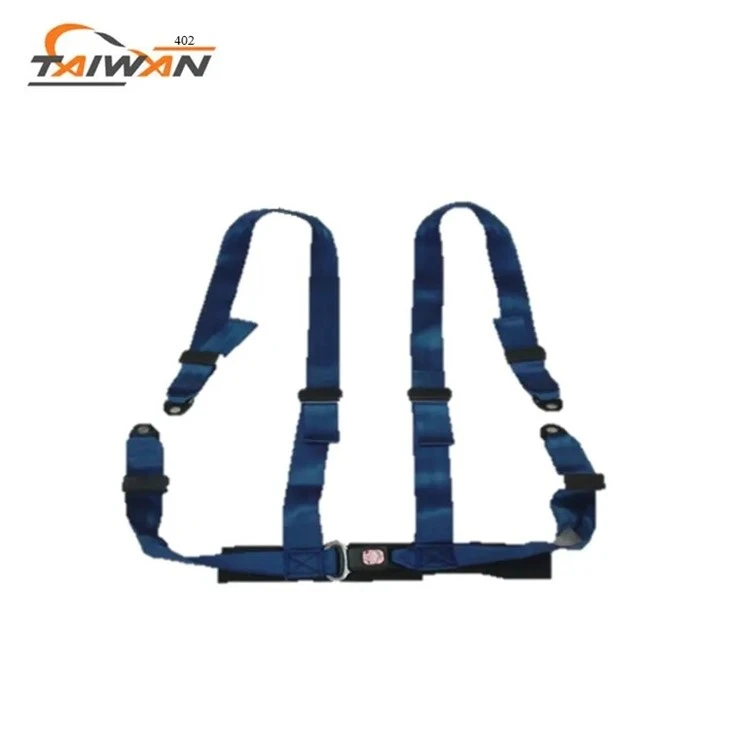
Sport Seat Belts are another type offered by Autozone. These seat belts are designed for high - performance vehicles and racing applications. They typically have a more robust locking mechanism to withstand the extreme forces experienced during high - speed driving and sudden maneuvers.

Conclusion
In conclusion, Autozone seat belts are designed to have a smooth locking action. Through advanced technical design, high - quality materials, and rigorous testing, our seat belts are capable of providing reliable protection in real - world scenarios. However, to ensure optimal performance, regular maintenance and timely repair are necessary.
If you are interested in purchasing Autozone seat belts for your vehicles, whether it's for regular cars, high - performance vehicles, or other applications, we welcome you to contact us for procurement discussions. We are committed to providing you with the best seat belt solutions that meet your safety needs.
References
- Automotive Safety Standards Handbook
- Journal of Automotive Engineering Research on Seat Belt Technology