

Do extended seat belts come with a test report? That's a question I often get asked as a supplier of Extended Seat Belts. And it's a darn good one. Safety is no joke, especially when it comes to something as crucial as seat belts. So, let's dig into this topic and find out what the deal is with test reports for extended seat belts.
First off, what are extended seat belts? Well, they're exactly what they sound like - seat belts that are longer than the standard ones. They're super handy for people who need a bit more length due to their body size or the type of vehicle they're in. For example, Bus Driver Seat Belt are often extended to accommodate the unique seating position of bus drivers. And Universal Seat Belts can be used in a variety of vehicles, giving people more options for a proper fit.
Now, back to the test reports. The short answer is yes, most reputable extended seat belt suppliers do provide test reports. These reports are like a stamp of approval that shows the seat belts have been put through a series of rigorous tests to make sure they meet safety standards. But why are these tests so important?
Well, think about it. Seat belts are one of the most important safety features in a vehicle. They're designed to keep you safe in the event of an accident by holding you in place and preventing you from being thrown around. If a seat belt fails during an accident, the consequences can be catastrophic. That's why it's crucial that seat belts are tested to ensure they can withstand the forces of a collision.
The tests that extended seat belts go through are similar to those for standard seat belts. They typically include things like strength tests, which measure how much force the seat belt can withstand before breaking. There are also tests for things like buckle function, webbing durability, and retractor performance. These tests are usually conducted in a laboratory setting using specialized equipment to simulate real-world conditions.
When you're shopping for extended seat belts, it's a good idea to ask for the test report. A supplier who is confident in the quality of their product will have no problem providing this information. The test report should include details about the tests that were conducted, the results, and the standards that the seat belts were tested against. This will give you a clear idea of how well the seat belts perform and whether they're a good choice for your needs.
In addition to the standard tests, some extended seat belts may also undergo additional testing. For example, Seat Belt Accessories like seat belt extenders or adjusters may need to be tested to make sure they don't interfere with the proper function of the seat belt. These accessories can be a great way to customize your seat belt for a better fit, but only if they're safe to use.
Another thing to consider is the certification of the seat belts. In many countries, seat belts are required to meet certain safety standards in order to be sold. Look for seat belts that are certified to meet standards such as FMVSS 209 (Federal Motor Vehicle Safety Standard 209) in the United States or ECE R16 (Economic Commission for Europe Regulation 16) in Europe. These certifications are a good indication that the seat belts have been tested and meet the necessary safety requirements.
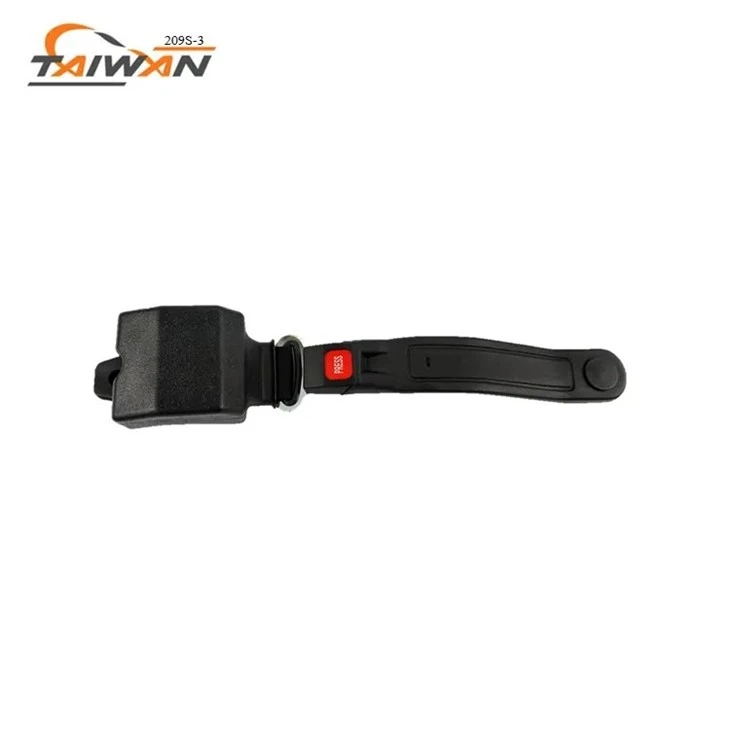

So, how can you tell if a test report is legitimate? Well, there are a few things to look for. First, make sure the report is issued by a recognized testing laboratory. This could be a government agency, an independent testing facility, or a well-known certification body. The report should also include details about the testing methods used, the equipment that was used, and the date of the test. If the report seems vague or doesn't provide enough information, it could be a red flag.
It's also a good idea to do some research on the supplier. Look for reviews and testimonials from other customers to see what their experiences have been. A supplier with a good reputation is more likely to provide high-quality seat belts and reliable test reports.
In conclusion, if you're in the market for extended seat belts, don't be afraid to ask for a test report. It's an important part of making sure you're getting a safe and reliable product. And remember, safety should always be your top priority when it comes to seat belts. Whether you're a bus driver, a larger individual, or just someone looking for a better fit, there are extended seat belts out there that can meet your needs.
If you're interested in purchasing extended seat belts or have any questions about our products, feel free to reach out. We're here to help you find the right seat belts for your situation and can provide you with all the necessary test reports and information. Let's work together to keep you safe on the road.
References
- National Highway Traffic Safety Administration (NHTSA). (2023). Federal Motor Vehicle Safety Standards.
- Economic Commission for Europe (ECE). (2023). Regulation No. 16 - Seat - belt assemblies and restraint systems for passengers and drivers of power - driven vehicles.