

Van seat belts are crucial safety components in vehicles, and one question that often arises is whether they have a locking mechanism. As a reputable van seat belts supplier, I am here to provide you with in - depth insights into this topic.

Understanding the Basics of Van Seat Belts
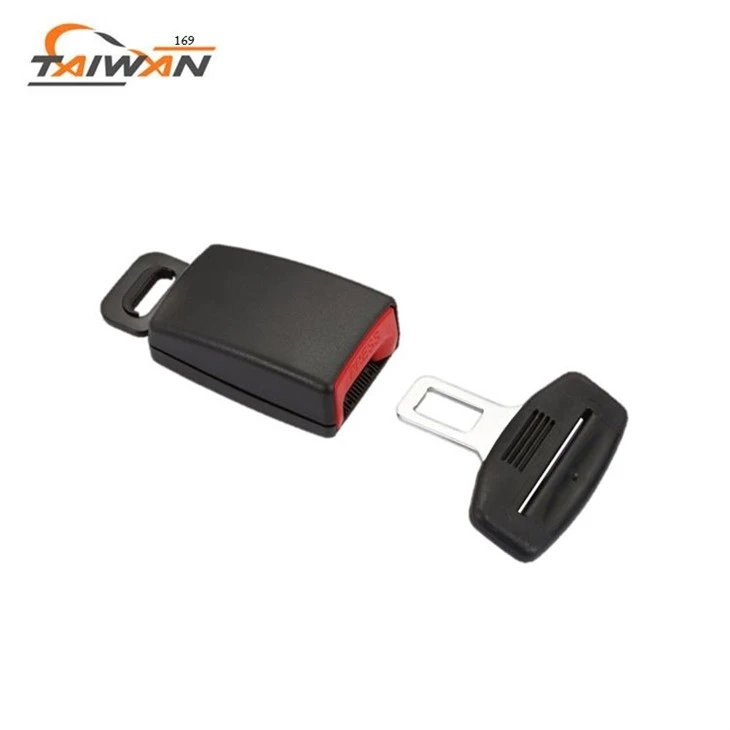
Van seat belts, like those in other vehicles, are designed to keep passengers safe during a journey. They work by restraining the body in the event of a sudden stop or collision, preventing the occupants from being thrown forward. The basic components of a van seat belt typically include the seat belt webbing, the buckle, and the retractor. The seat belt webbing is the long, strong strap that goes across the body, while the buckle is used to fasten and unfasten the belt. The retractor is responsible for winding and unwinding the webbing as needed.
The Locking Mechanism in Van Seat Belts
Most modern van seat belts do have a locking mechanism. This mechanism serves two main purposes: normal use and child seat installation.
Normal Use
In normal driving conditions, the retractor of a van seat belt allows the webbing to move freely in and out as the passenger adjusts their position. However, when there is a sudden deceleration, such as in the case of a hard brake or a collision, the locking mechanism is triggered. This can happen due to a variety of sensors within the retractor. One common type of sensor is an inertia - based sensor. When the vehicle suddenly slows down, the inertia of a small mass inside the retractor causes it to move, which in turn activates a locking pawl. This pawl engages with a gear or ratchet mechanism, preventing the further unwinding of the seat belt webbing. As a result, the passenger is securely held in place, reducing the risk of injury.
Child Seat Installation
The locking mechanism also plays a vital role in child seat installation. When installing a child seat using the vehicle's seat belt, the seat belt needs to be locked to ensure a tight and secure fit. In many vans, there are two ways to lock the seat belt for child seat use. One method is to pull the seat belt webbing all the way out and then let it retract slowly. This action engages the locking mechanism, and the belt will remain in a locked position until it is unbuckled and re - adjusted. Another way is through a dedicated locking feature on the retractor itself. Some vans have a switch or a lever that can be manually operated to lock the seat belt for child seat installation.
Types of Locking Mechanisms
There are different types of locking mechanisms used in van seat belts, each with its own advantages and characteristics.
Automatic Locking Retractor (ALR)
An Automatic Locking Retractor is a type of retractor that automatically locks the seat belt when it is fully extended and then retracted. This feature is particularly useful for child seat installation, as it simplifies the process. Once the ALR is engaged, the seat belt will stay locked until the buckle is released. This type of locking mechanism is common in many modern vans, especially those designed with family - friendly features.
Emergency Locking Retractor (ELR)
The Emergency Locking Retractor is the most common type of locking mechanism used in van seat belts. As mentioned earlier, it allows the seat belt to move freely during normal driving but locks in the event of an emergency. The ELR uses an inertia - based sensor to detect sudden deceleration and activate the locking mechanism. It provides a good balance between comfort during normal use and safety in emergency situations.
Importance of a Functional Locking Mechanism
A properly functioning locking mechanism in van seat belts is of utmost importance for passenger safety. In the event of a collision, a seat belt without a working locking mechanism may not be able to restrain the passenger effectively. The passenger could be thrown forward, increasing the risk of serious injury, such as head trauma, chest injuries, or spinal cord damage.
For child seats, a non - functional locking mechanism can result in a loose installation. A loose child seat may not provide the necessary protection in a crash, as it may move around or even become detached from the vehicle seat. This can put the child at a much higher risk of harm.
Maintenance and Inspection of the Locking Mechanism
As a van seat belts supplier, I always emphasize the importance of regular maintenance and inspection of the seat belt locking mechanism. Over time, the locking mechanism can be affected by factors such as dirt, debris, or wear and tear. Dirt and debris can accumulate inside the retractor, preventing the sensors and moving parts from working properly. Wear and tear can cause the locking pawl or other components to become damaged or misaligned.
To ensure the proper functioning of the locking mechanism, it is recommended to visually inspect the seat belt regularly. Check for any signs of damage to the webbing, such as fraying or cuts. Also, test the locking mechanism by pulling the seat belt out quickly to see if it locks. If you notice any problems, such as the seat belt not locking or locking unexpectedly, it is important to have it inspected and repaired by a qualified technician.
Our Products and Their Locking Mechanisms
At our company, we take great pride in providing high - quality van seat belts with reliable locking mechanisms. Our seat belts are designed to meet or exceed all relevant safety standards. We use advanced manufacturing techniques and high - quality materials to ensure the durability and performance of our products.
Our Nylon Seat Belt Webbing is made from strong and abrasion - resistant nylon, which can withstand the forces exerted during a collision. The webbing is carefully woven to provide maximum strength and flexibility. Our seat belt buckles, such as the Airplane Seat Belt Buckle, are designed with precision engineering. They are easy to use and have a secure locking mechanism to ensure that the seat belt stays fastened during the journey.
If you are interested in purchasing seat belt buckles, you can visit our Buy Seat Belt Buckle page to explore our wide range of options.
Contact for Purchase and Collaboration
If you are in the market for van seat belts or have any questions about our products, we would be more than happy to assist you. Whether you are a vehicle manufacturer looking for a reliable seat belt supplier or an individual in need of replacement seat belts for your van, we have the expertise and products to meet your requirements. Please feel free to contact us to start a discussion about your specific needs. We can provide you with detailed product information, pricing, and any other support you may need.
References
- "Vehicle Seat Belt Systems" - National Highway Traffic Safety Administration (NHTSA)
- "Seat Belt Technology and Safety" - Society of Automotive Engineers (SAE)
- "Child Seat Installation Guide" - Various vehicle manufacturers' manuals