

Attaching nylon webbing to metal is a common need in various industries, from outdoor gear manufacturing to automotive and industrial applications. As a trusted nylon webbing supplier, I understand the importance of providing not only high - quality products but also valuable information on how to use them effectively. In this blog, I'll share some reliable methods to attach nylon webbing to metal, along with some tips and considerations.
Methods of Attaching Nylon Webbing to Metal
1. Using Rivets
Riveting is a classic and robust method for joining nylon webbing to metal. Rivets are permanent fasteners that can create a strong and durable connection.
- Materials Needed: You'll need rivets, a rivet gun, a drill, and a drill bit appropriate for the size of the rivets.
- Steps:
- First, mark the positions on the metal where you want to attach the webbing. Ensure that the marks are evenly spaced and in line with the intended use of the webbing.
- Drill holes through the metal and the nylon webbing at the marked positions. Make sure the holes are slightly larger than the diameter of the rivet shaft to allow for easy insertion.
- Place the rivet through the holes, with the head of the rivet on the side of the metal. Use the rivet gun to set the rivet. The gun will deform the end of the rivet shaft, creating a second head and clamping the webbing and metal together tightly.
- Advantages: Riveting provides a very strong and long - lasting connection. It can withstand high levels of stress and is suitable for heavy - duty applications.
- Disadvantages: The process requires some tools and skills. Also, once the rivets are set, it's difficult to disassemble the connection without damaging the materials.
2. Using Sewing
Sewing is a flexible method that can be used to attach nylon webbing to metal, especially when a more adjustable or less permanent connection is needed.
- Materials Needed: A heavy - duty sewing machine or a strong hand - sewing needle, heavy - duty thread, and a metal attachment point with holes or a lip to sew around.
- Steps:
- If using a sewing machine, ensure it is set up with a heavy - duty needle and thread. Place the webbing against the metal at the desired attachment point.
- Start sewing along the edge of the webbing where it meets the metal. You can use a straight stitch or a zig - zag stitch for added strength. Make sure to sew through the webbing and around the metal attachment point, such as through holes or around a lip.
- If hand - sewing, use a strong needle and thread. Thread the needle and start stitching through the webbing and the metal attachment point. Make several stitches to secure the webbing firmly.
- Advantages: Sewing allows for more flexibility in terms of adjusting the position of the webbing. It's also a relatively simple method that doesn't require specialized tools other than a sewing machine or needle.
- Disadvantages: The strength of the connection may be limited compared to riveting, especially in high - stress applications. The thread may also wear out over time, requiring periodic maintenance.
3. Using Adhesives
Adhesives can be a convenient way to attach nylon webbing to metal, especially for small or lightweight applications.
- Materials Needed: A high - strength adhesive suitable for bonding nylon and metal, such as an epoxy or a polyurethane adhesive.
- Steps:
- Clean the surfaces of the webbing and the metal thoroughly to remove any dirt, grease, or debris. This will ensure a good bond.
- Apply the adhesive to either the webbing or the metal surface according to the manufacturer's instructions. Make sure to apply an even layer of adhesive.
- Press the webbing firmly against the metal, ensuring full contact between the two surfaces. Use clamps or weights to hold the webbing in place while the adhesive cures.
- Allow the adhesive to cure for the recommended time. This can range from a few hours to a day, depending on the type of adhesive.
- Advantages: Adhesives are easy to use and can create a smooth and seamless connection. They can also be used in situations where drilling or sewing is not practical.
- Disadvantages: The strength of the adhesive bond may be affected by factors such as temperature, humidity, and the type of load applied. Over time, the adhesive may weaken, especially in harsh environments.
Tips and Considerations
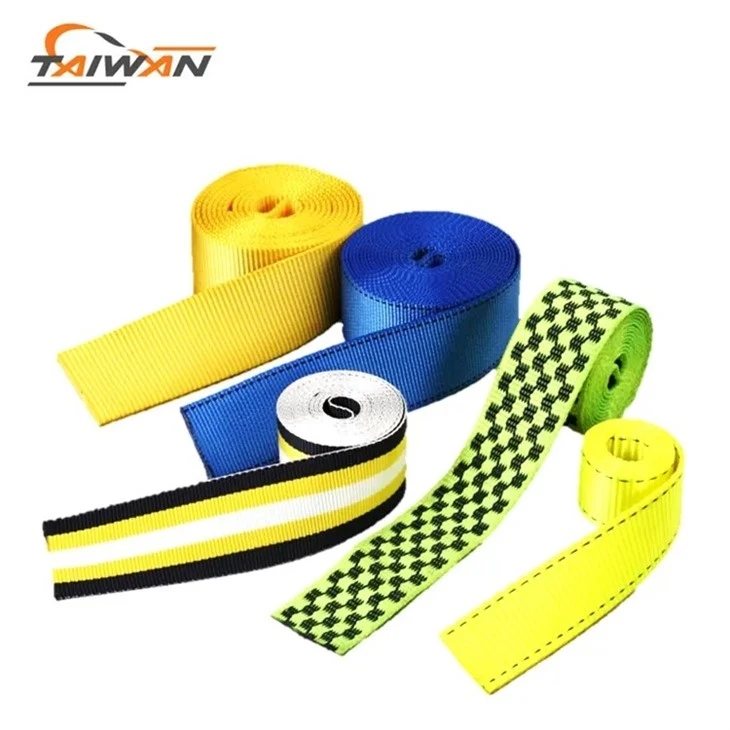
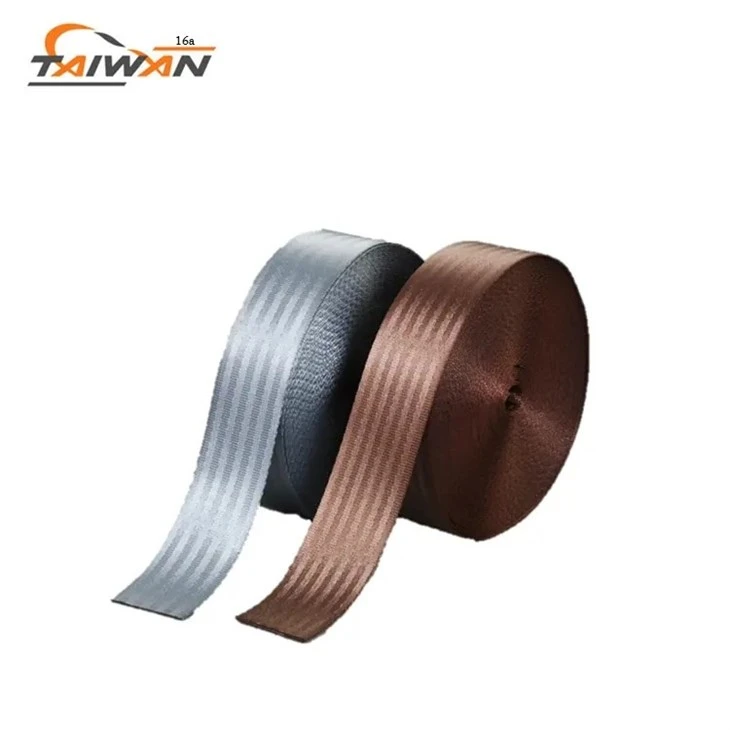
- Choose the Right Nylon Webbing: As a nylon webbing supplier, I offer a wide range of products, such as 1.5 Inch Nylon Webbing and Polyester Webbing 25mm. Make sure to select the webbing with the appropriate strength, width, and thickness for your application.
- Surface Preparation: Before attaching the webbing to the metal, clean and prepare the surfaces properly. This will ensure a strong and lasting connection, regardless of the attachment method used.
- Testing: Before using the attached webbing and metal assembly in a real - world application, perform some tests to ensure the connection is strong enough. You can apply a moderate amount of stress to the webbing to see how the connection holds up.
Custom Solutions
If you have specific requirements for attaching nylon webbing to metal, we also offer Custom Webbing Straps. Our team can work with you to design and manufacture webbing straps that are tailored to your exact needs, including the attachment method and any special features you may require.
Contact for Procurement
If you're interested in purchasing high - quality nylon webbing for your projects or need more information on attaching it to metal, don't hesitate to contact us. We're here to provide you with the best products and support to meet your needs.
References
- "Fastening and Joining Handbook" by Henry Petroski
- "Textile Science and Technology: Industrial Textiles" edited by A. R. Horrocks and S. C. Anand