

Hey there! As a nylon webbing supplier, I'm super excited to share with you the ins and outs of making a nylon webbing belt. It's a cool process that combines both art and science, and I'm gonna walk you through every step.
Step 1: Choosing the Right Nylon Webbing
The first thing you gotta do is pick the right nylon webbing for your belt. There are different types out there, each with its own characteristics. For instance, if you're looking for something lightweight and flexible, a standard nylon webbing might be your go-to. On the other hand, if you need a belt that can withstand heavy use, Heavy Duty Nylon Belts are the way to go.
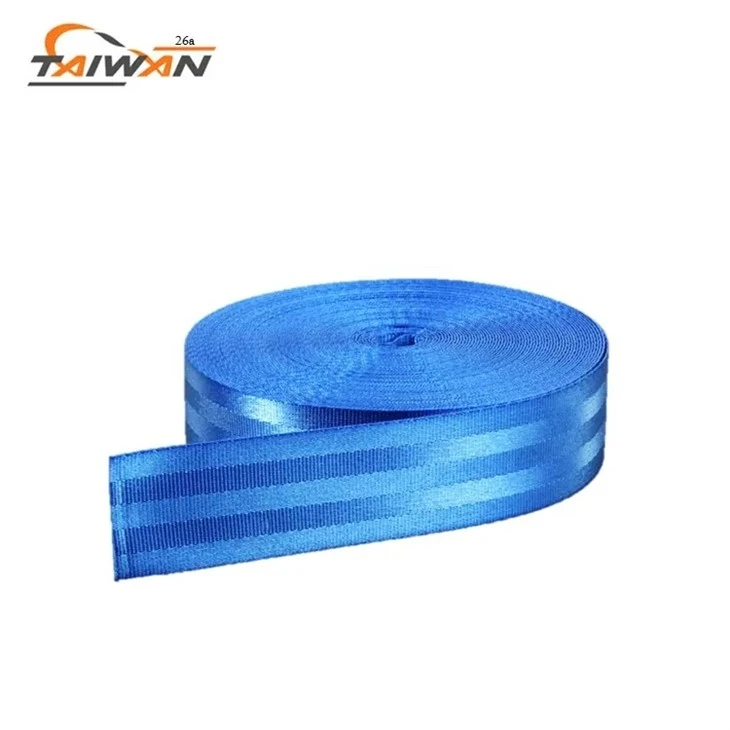
The width of the webbing is also crucial. A common width for belts is 1.5 inches, and 1.5 Inch Nylon Webbing is a popular choice. It's wide enough to provide good support but not too bulky. When choosing the webbing, consider the color as well. Nylon webbing comes in a wide range of colors, so you can pick one that suits your style or the intended use of the belt.
Step 2: Cutting the Webbing
Once you've got your nylon webbing, it's time to cut it to the right length. Measure around your waist or wherever you plan to wear the belt and add a few extra inches for the buckle and any adjustments. Use a sharp pair of scissors or a utility knife to cut the webbing. Make sure to cut it straight and clean to ensure a professional look.
It's a good idea to seal the cut ends of the webbing to prevent fraying. You can do this by using a lighter to carefully melt the edges. Just be really careful not to burn the webbing too much. Hold the lighter about an inch away from the edge and move it back and forth until the edge starts to melt slightly. Then, quickly press the edge with a flat surface to flatten it.
Step 3: Selecting the Buckle
The buckle is like the cherry on top of your belt. There are so many different types of buckles available, from simple pin buckles to more elaborate quick-release buckles. Choose a buckle that matches the style and purpose of your belt. For a casual belt, a pin buckle is a classic and easy-to-use option. If you need a belt for outdoor activities or work, a quick-release buckle might be more convenient.
When selecting the buckle, make sure it's the right size for your webbing. The buckle should fit snugly around the webbing without being too loose or too tight. You can usually find buckles that are specifically designed to work with a certain width of webbing.
Step 4: Attaching the Buckle
Now it's time to attach the buckle to the webbing. If you're using a pin buckle, thread one end of the webbing through the buckle's frame. Then, fold the end of the webbing back on itself and sew it in place using a strong thread. Make sure to sew it securely so that the buckle doesn't come loose.
For a quick-release buckle, the process might be a bit different. Some quick-release buckles have a built-in mechanism that allows you to easily attach and detach the webbing. Follow the manufacturer's instructions to attach the buckle correctly.

Step 5: Adding Any Extras
If you want to make your belt even more unique, you can add some extras. You can attach a loop to the end of the belt to hold the loose end in place. You can also add some decorative elements, like studs or patches. Just make sure that any extras you add are securely attached and don't interfere with the functionality of the belt.
Step 6: Testing the Belt
Once you've finished making your belt, it's time to test it out. Put the belt on and make sure it fits comfortably. Check that the buckle works properly and that the belt is secure. Walk around a bit and see how it feels. If there are any adjustments that need to be made, now is the time to do it.
Why Choose Our Nylon Webbing?
As a nylon webbing supplier, I can tell you that our nylon webbing is top-notch. We use high-quality materials and advanced manufacturing processes to ensure that our webbing is strong, durable, and reliable. Whether you're making a simple belt for personal use or a batch of belts for a business, our webbing is a great choice.
We also offer Custom Nylon Straps, so you can get webbing that's tailored to your specific needs. We can customize the width, color, and even add your logo or design to the webbing. This is a great option if you're looking to create a unique and branded belt.
Contact Us for Your Nylon Webbing Needs
If you're interested in purchasing nylon webbing for your belt-making projects or any other applications, don't hesitate to reach out. We're here to help you find the right webbing for your needs and answer any questions you might have. Whether you're a DIY enthusiast or a professional manufacturer, we've got the products and expertise to support you.
So, what are you waiting for? Start making your own nylon webbing belts today and let your creativity shine!
References
- General knowledge about nylon webbing manufacturing and belt-making processes.
- Industry standards and best practices for working with nylon webbing.