

What are the regulations for Van Seat Belts?
As a dedicated supplier of van seat belts, I've witnessed firsthand the critical role these safety components play on the road. Seat belts are not just an accessory; they are a legal requirement and a crucial safety measure that can save lives. In this blog, I'll delve into the regulations governing van seat belts, the importance of compliance, and how our products meet these stringent standards.
Understanding the Regulations
The regulations for van seat belts vary from country to country, but the overarching goal is the same: to ensure the safety of passengers and drivers. In the United States, the National Highway Traffic Safety Administration (NHTSA) sets the standards for seat belts in all vehicles, including vans. These standards cover a wide range of aspects, from the design and construction of seat belts to their performance in crash tests.
One of the most fundamental requirements is the use of a three - point seat belt system. A 3 Point Car Seat Belt consists of a lap belt and a shoulder belt that work together to restrain the occupant in the event of a crash. The NHTSA mandates that all front - seat passengers and, in many cases, rear - seat passengers in vans must be equipped with three - point seat belts.
In Europe, the European Union has its own set of regulations, which are enforced by the member states. The European regulations, such as the ECE R16, are similar to those in the US in terms of the requirement for three - point seat belts. However, they also have specific requirements for the materials used, the strength of the seat belt components, and the markings on the seat belts.
Some countries also have regulations regarding the installation of seat belts in vans. For example, seat belts must be properly anchored to the vehicle's structure to ensure that they can withstand the forces generated in a crash. There are often specific requirements for the location of the anchor points, the strength of the mounting hardware, and the way the seat belts are routed through the vehicle.
Importance of Compliance
Complying with seat belt regulations is not just a legal obligation; it is also a matter of safety. Seat belts are proven to reduce the risk of serious injury and death in a crash. According to the NHTSA, seat belts saved an estimated 14,955 lives in the United States in 2017. In vans, where the consequences of a crash can be particularly severe due to the vehicle's size and weight, the importance of seat belts cannot be overstated.
From a legal perspective, non - compliance can result in significant fines and penalties. In addition, if a vehicle is found to be non - compliant with seat belt regulations, it may be subject to recall, which can be costly and damaging to a manufacturer's reputation. For fleet operators, non - compliance can also lead to increased insurance premiums and potential liability in the event of an accident.
Our Commitment to Meeting Regulations
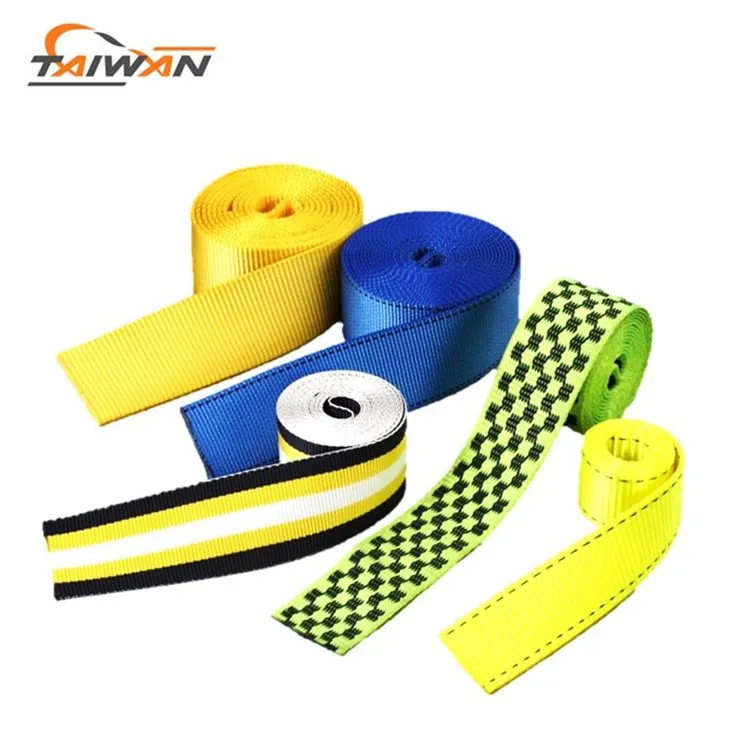
As a van seat belt supplier, we understand the importance of meeting and exceeding regulatory standards. Our products are designed and manufactured with the utmost attention to detail, using high - quality materials such as Nylon Seat Belt Webbing. Nylon is a strong and durable material that can withstand the high forces generated in a crash, making it an ideal choice for seat belt webbing.
We conduct rigorous testing on all our seat belts to ensure that they meet the relevant regulations. Our testing facilities are equipped with state - of - the - art equipment that can simulate a variety of crash scenarios, allowing us to evaluate the performance of our seat belts under real - world conditions. We also have a team of experienced engineers and technicians who are dedicated to ensuring that our products meet the highest standards of quality and safety.
In addition to meeting the regulatory requirements, we are constantly looking for ways to improve the safety and performance of our seat belts. We invest in research and development to explore new materials and technologies that can enhance the effectiveness of seat belts in protecting occupants. For example, we are currently working on projects related to smart seat belts that can detect the severity of a crash and adjust the tension of the belt accordingly.
Replacement and Maintenance
Over time, seat belts can become worn or damaged, which can compromise their effectiveness. It is important to regularly inspect seat belts for signs of wear, such as fraying, cuts, or damage to the buckle. If a seat belt is found to be damaged, it should be replaced immediately.
We offer a wide range of Front Seat Belt Replacement options to meet the needs of our customers. Our replacement seat belts are designed to be a direct fit for a variety of van models, making the replacement process quick and easy. We also provide detailed installation instructions to ensure that the replacement seat belts are installed correctly.
In addition to replacement, proper maintenance of seat belts is also crucial. Seat belts should be kept clean and free of dirt, oil, and other contaminants. Regular cleaning can help to prevent the webbing from becoming stiff or brittle, which can reduce its effectiveness.
Contact Us for Procurement
If you are in the market for van seat belts or replacement parts, we invite you to contact us. We have a team of knowledgeable sales representatives who can assist you in selecting the right seat belts for your needs. Whether you are a van manufacturer, a fleet operator, or an individual looking to replace a damaged seat belt, we have the products and expertise to meet your requirements.

We offer competitive pricing, fast delivery, and excellent customer service. Our goal is to provide you with the highest quality seat belts at a reasonable price, ensuring that you can keep your vehicles and passengers safe on the road. Don't hesitate to reach out to us for more information and to start a procurement discussion.
References
- National Highway Traffic Safety Administration (NHTSA). (2017). Seat Belt Use in 2017 - Overall Results.
- European Union. (Various). ECE R16 - Safety - belts and restraint systems for motor vehicles and their trailers.