

When it comes to using nylon webbing, safety is of paramount importance. As a trusted nylon webbing supplier, I understand the significance of ensuring that our customers are well - informed about the safety considerations associated with the use of our products. Nylon webbing is a versatile material with a wide range of applications, from industrial use to outdoor activities and automotive applications. In this blog, I will delve into the key safety factors that you should keep in mind when using nylon webbing.
Understanding the Strength and Load - Bearing Capacity
One of the first safety considerations when using nylon webbing is its strength and load - bearing capacity. Nylon webbing comes in different grades and thicknesses, each with its own maximum weight limit. Before using nylon webbing for any application, it is crucial to determine the amount of weight it will need to support. For instance, if you are using it for a heavy - duty lifting application, you will need a high - strength nylon webbing.
Our Heavy Duty Nylon Webbing is specifically designed to handle substantial loads. It is made from high - quality nylon fibers that are tightly woven, providing excellent tensile strength. However, even with heavy - duty webbing, it is essential to follow the manufacturer's recommended weight limits. Overloading the webbing can lead to stretching, fraying, or even breakage, which can cause serious safety hazards.
Inspection Before Use
Regular inspection of nylon webbing is a critical safety measure. Before each use, carefully examine the webbing for any signs of damage. Look for cuts, abrasions, fraying, or discoloration. Cuts and abrasions can significantly weaken the webbing, reducing its load - bearing capacity. Frayed edges can also be a sign of wear and tear, and they may start to unravel further during use.
Discoloration can indicate chemical damage or exposure to extreme temperatures, both of which can compromise the integrity of the nylon. If you notice any of these issues, do not use the webbing. Instead, replace it with a new one to ensure the safety of your application.
Proper Storage
Proper storage of nylon webbing is also important for maintaining its safety and longevity. Nylon webbing should be stored in a cool, dry place away from direct sunlight and chemicals. Exposure to sunlight can cause the nylon to degrade over time, making it weaker and more prone to breakage. Chemicals, such as solvents or acids, can also damage the webbing.
When storing the webbing, avoid tightly coiling it for extended periods, as this can cause permanent creases and weaken the fibers. Instead, loosely coil the webbing or hang it to prevent stress on the fibers.
Correct Attachment and Usage
How you attach and use nylon webbing is crucial for safety. Always use appropriate hardware, such as buckles, hooks, and carabiners, that are compatible with the webbing. Make sure the hardware is in good condition and rated for the intended load. Incorrect or damaged hardware can cause the webbing to come loose or break under stress.
When attaching the webbing, ensure that it is properly secured. For example, when using it to tie down a load, make sure the knots are tight and secure. Different applications may require different types of knots, so it is important to use the correct knot for the job. Improperly tied knots can come undone, leading to the loss of the load or other safety issues.
Consideration of Environmental Factors
Environmental factors can have a significant impact on the safety of nylon webbing. In wet conditions, nylon webbing can absorb water, which can increase its weight and reduce its strength. If the webbing is used in a wet environment, it should be thoroughly dried after use to prevent mold and mildew growth, which can also weaken the fibers.
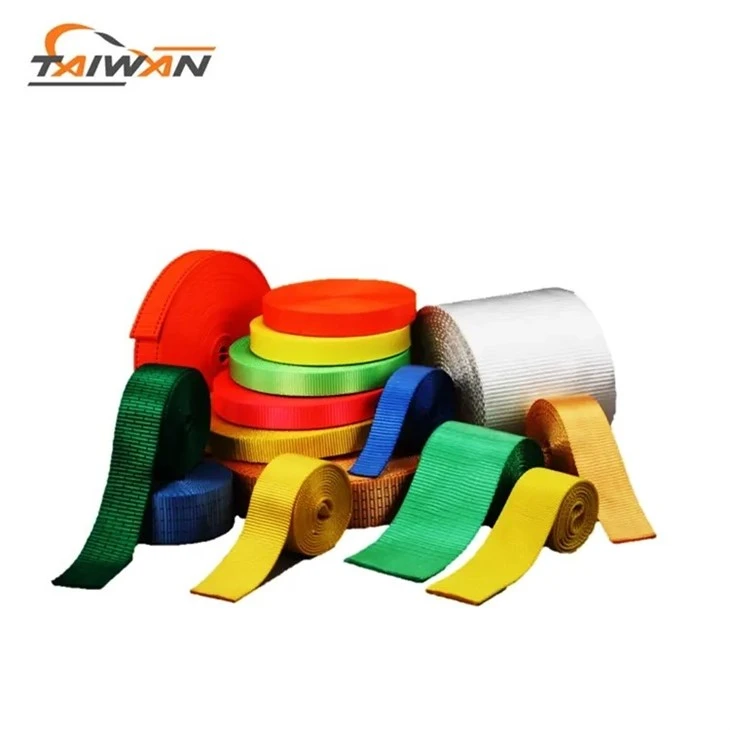
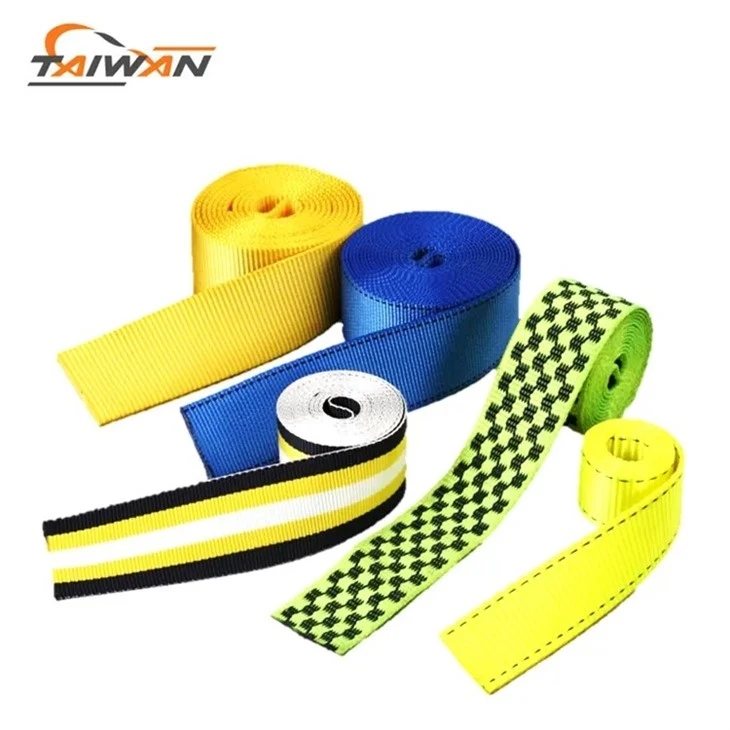
Extreme temperatures can also affect nylon webbing. In cold temperatures, the webbing may become more brittle and prone to cracking. In hot temperatures, the nylon may soften, reducing its load - bearing capacity. When using nylon webbing in extreme temperatures, it is important to choose a webbing that is rated for those conditions or take extra precautions to protect the webbing.
Applications and Safety in Different Fields
Industrial Applications
In industrial settings, nylon webbing is often used for lifting, tying down, and securing heavy equipment. Safety in these applications is non - negotiable. Workers should be trained on the proper use of nylon webbing, including how to inspect it, attach it correctly, and handle it safely. Our heavy - duty nylon webbing is a popular choice for industrial applications due to its high strength and durability. However, it is important to follow all industry safety standards and regulations.
Outdoor Activities
For outdoor activities such as camping, hiking, and rock climbing, nylon webbing is used for various purposes, such as setting up shelters, making slings, or securing gear. In these situations, the safety of the user depends on the integrity of the webbing. For example, in rock climbing, a frayed or damaged webbing sling can mean the difference between life and death. Our Custom Webbing Straps can be tailored to specific outdoor needs, but users must always check the webbing for any signs of damage before use.
Automotive Applications
In the automotive industry, nylon webbing is commonly used in car seat belts. Our Webbing Car Seat Belt is designed to meet strict safety standards. Car seat belts are a crucial safety feature in vehicles, and the nylon webbing used in them must be able to withstand high forces in the event of a collision. Regular inspection of car seat belts is essential to ensure that the webbing is in good condition and can provide the necessary protection.
Training and Education
Proper training and education are essential for anyone using nylon webbing. Whether it is workers in an industrial setting, outdoor enthusiasts, or automotive users, they should be aware of the safety considerations associated with nylon webbing. This includes understanding the load - bearing capacity, how to inspect the webbing, and the correct way to attach and use it.
As a supplier, we are committed to providing our customers with the necessary information and resources to ensure the safe use of our nylon webbing products. We can offer training materials, safety guidelines, and technical support to help our customers make informed decisions.
Conclusion
Safety should always be the top priority when using nylon webbing. By understanding the strength and load - bearing capacity, inspecting the webbing regularly, storing it properly, using it correctly, considering environmental factors, and providing proper training, we can minimize the risks associated with nylon webbing use.
If you are in the market for high - quality nylon webbing, we are here to help. Our range of products, including heavy - duty nylon webbing, custom webbing straps, and webbing car seat belts, are designed to meet the highest safety standards. Contact us today to discuss your specific needs and start a procurement conversation. We look forward to serving you and ensuring that you have the safest and most reliable nylon webbing for your applications.
References
- "Nylon Webbing: Properties and Applications", Textile Research Journal
- "Safety Guidelines for Industrial Lifting Equipment", Occupational Safety and Health Administration
- "Outdoor Gear Maintenance: Nylon Webbing", Outdoor Gear Magazine