

Nylon webbing is a versatile and widely used material that you might have encountered in various aspects of your daily life, even if you didn't realize it. As a nylon webbing supplier, I've had the privilege of seeing firsthand the many forms and functions of this amazing material. So, what exactly does nylon webbing look like? Let's dive in and explore its appearance.
Physical Characteristics
One of the first things you'll notice about nylon webbing is its smooth and uniform texture. Unlike some other fabrics that might feel rough or uneven, nylon webbing has a sleek surface that gives it a professional and clean look. This smoothness also contributes to its durability, as it reduces the chances of fraying or snagging.
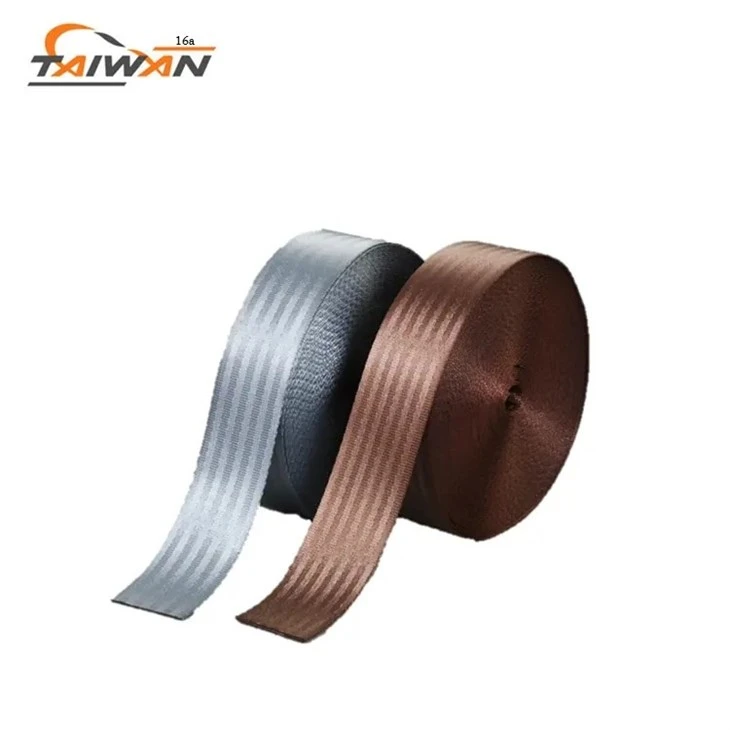
The color of nylon webbing can vary widely. It comes in a vast spectrum of hues, from basic neutrals like black, white, and brown to bright and vibrant colors such as red, blue, and yellow. Some suppliers, including us, even offer custom - dyed webbing to meet specific design requirements. Whether you're looking for a subtle color to blend in or a bold one to make a statement, there's a nylon webbing color for you.
In terms of width, nylon webbing is available in a range of sizes. You can find narrow webbing that's just a fraction of an inch wide, which is often used for delicate applications like jewelry making or trim work. On the other hand, wider webbing, such as 1.5 Inch Nylon Webbing, is commonly used for more heavy - duty purposes like backpack straps or dog leashes. The width you choose depends entirely on the intended use of the webbing.
Weave Patterns
Another aspect that affects the appearance of nylon webbing is its weave pattern. There are several common weave patterns, each with its own unique look and characteristics.
The plain weave is one of the simplest and most common patterns. In a plain weave, the warp (lengthwise) and weft (crosswise) threads alternate over and under each other in a regular pattern. This creates a flat and stable surface, making it suitable for a wide range of applications. Plain - woven nylon webbing has a classic and understated look that works well in both functional and decorative settings.
The twill weave is a bit more complex. In a twill weave, the weft threads pass over and under multiple warp threads in a diagonal pattern. This gives the webbing a distinctive diagonal ribbing effect, which not only adds visual interest but also increases its strength and durability. Twill - woven nylon webbing is often used in applications where both appearance and performance are important, such as in fashion accessories or military gear.
The satin weave is known for its smooth and shiny appearance. In a satin weave, the weft threads float over several warp threads, creating a surface that reflects light in a way that gives it a luxurious sheen. Satin - woven nylon webbing is commonly used in high - end applications like lingerie straps or decorative trim.
Finishes and Treatments
Nylon webbing can also be treated with various finishes to enhance its appearance and performance. For example, a water - resistant finish can be applied to make the webbing suitable for outdoor use. This finish not only protects the webbing from moisture but also gives it a slightly different look, often making it appear more sleek and modern.
A UV - resistant finish is another popular option, especially for webbing that will be exposed to sunlight for extended periods. This finish helps prevent the webbing from fading or becoming brittle over time, ensuring that it maintains its color and strength. UV - treated nylon webbing retains its vibrant color even after long - term exposure to the sun, making it ideal for applications like patio furniture straps or boat covers.
Some nylon webbing is also treated with a flame - retardant finish. This is important in applications where fire safety is a concern, such as in automotive or aerospace industries. Flame - retardant webbing has a similar appearance to untreated webbing but provides an added layer of safety.
Different Types of Nylon Webbing Products
Now, let's take a look at some of the different types of nylon webbing products and how their appearance relates to their function.
Heavy Duty Nylon Belts are designed for tough jobs. They are usually wide and thick, with a strong and sturdy appearance. These belts often have a plain or twill weave and are available in neutral colors like black or brown. Their robust look is a reflection of their ability to withstand heavy loads and harsh conditions, making them suitable for industrial applications like lifting or towing.
Custom Seat Belt Webbing, as the name suggests, can be customized to meet specific needs. It can come in a variety of colors and patterns to match the interior of a vehicle. Whether you want a sleek black seat belt for a modern car or a colorful one for a vintage vehicle, Custom Seat Belt Webbing allows you to add a personal touch. The appearance of custom seat belt webbing is carefully designed to not only look good but also ensure safety and comfort.
Nylon webbing is also used in the fashion industry. It can be found in handbags, belts, and clothing accessories. In these applications, the webbing is often chosen for its aesthetic appeal as well as its durability. Fashion - grade nylon webbing can come in a wide range of colors, patterns, and finishes, allowing designers to create unique and stylish products.

Conclusion
In conclusion, the appearance of nylon webbing is incredibly diverse. From its smooth texture and wide range of colors to its various weave patterns and finishes, nylon webbing can be tailored to suit almost any need. Whether you're looking for a functional solution for an industrial application or a decorative element for a fashion project, there's a nylon webbing out there that's perfect for you.
If you're interested in purchasing nylon webbing for your project, I'd love to have a chat with you. We have a wide selection of nylon webbing products, and our team can help you find the right one based on your specific requirements. Don't hesitate to reach out and start a conversation about your nylon webbing needs.
References
- Textile Institute. "Handbook of Textile Fibres." Woodhead Publishing, 2016.
- ASTM International. "Standards for Nylon Webbing." ASTM Publications, 2020.