

Hey there, truck enthusiasts! As a long - time truck seat belts supplier, I've seen a lot of questions about the differences between OEM (Original Equipment Manufacturer) and aftermarket truck seat belts. So, let's dive right in and break it all down.
What are OEM Truck Seat Belts?
OEM truck seat belts are the ones that come straight from the manufacturer of your truck. When your truck rolls off the assembly line, these are the seat belts that were installed in it. They're designed specifically for your truck's make, model, and year.
One of the biggest advantages of OEM seat belts is the fit. They're a perfect match for your truck's seat and mounting points. Since they're made by the same company that built the truck, they're incredibly reliable in terms of compatibility. You won't have to worry about any adjustments or modifications to get them to work properly.
Another plus is the quality control. The manufacturer follows strict standards and tests each seat belt thoroughly before it's installed in a vehicle. This means you can trust that an OEM seat belt will do its job when you need it most, protecting you in the event of an accident.
However, OEM seat belts do come with some downsides. First off, they can be pretty expensive. You're not just paying for the seat belt itself, but also for the brand name and the cost of the manufacturing process that meets the strict OEM standards. Plus, there might be limited options in terms of style and features. You're basically getting what the truck manufacturer decided was suitable, which might not necessarily meet all your personal preferences.
What are Aftermarket Truck Seat Belts?
On the flip side, aftermarket truck seat belts are produced by third - party manufacturers. These guys aren't the original truck makers but they specialize in creating seat belts for a wide range of vehicles.
The main draw of aftermarket seat belts is the variety. You can find styles that aren't available through OEM options. For example, if you want a seat belt with a unique color or a special locking mechanism, the aftermarket is where you'll find it. You can also get seat belts with additional features like adjustable straps or quick - release buckles.
Cost is another factor. Generally, aftermarket seat belts are more budget - friendly. Third - party manufacturers often have different production processes and cost structures, which allow them to offer their products at a lower price point. This is great for truck owners on a budget or those who want to replace their seat belts without breaking the bank.
But there are some potential drawbacks to aftermarket seat belts. The quality can vary widely. Not all aftermarket manufacturers follow the same high - level standards as OEMs. Some might cut corners in terms of materials or manufacturing processes, which could affect the seat belt's safety performance. Also, there's a risk of compatibility issues. Since they're made by third - parties, there's a chance that an aftermarket seat belt might not fit your truck perfectly. You might need to make some adjustments or even modifications to get it to work right.
Safety Considerations
Safety is paramount when it comes to seat belts, and both OEM and aftermarket options have their own safety aspects.
OEM seat belts are designed and tested in conjunction with the vehicle's safety systems. They're calibrated to work with airbags and other safety features in a way that maximizes protection for the occupants. When you're using an OEM seat belt, you can be confident that it's been engineered to meet the specific safety requirements for your truck.
However, that doesn't mean aftermarket seat belts can't be safe. There are many reputable aftermarket manufacturers that produce high - quality seat belts that meet or even exceed industry safety standards. When buying aftermarket seat belts, it's important to do your research. Look for products that have been certified by relevant safety organizations. For example, seat belts with a certification from the National Highway Traffic Safety Administration (NHTSA) are generally a good bet.
Installation
When it comes to installation, OEM seat belts are usually a breeze. Since they're designed specifically for your truck, they should fit right into the existing mounting points without any major hassle. In most cases, even a novice mechanic or someone with basic DIY skills can install an OEM seat belt following the manufacturer's instructions.
Aftermarket seat belts, on the other hand, can be a bit more tricky. As I mentioned earlier, there could be compatibility issues. You might have to modify the mounting points or use additional hardware to get the seat belt to fit properly. If you're not comfortable with making these kinds of adjustments, it's best to have a professional install the aftermarket seat belt for you.
Looking into Different Types of Seat Belts
Speaking of types, there's a wide range out there. To learn more about the Types Of Seatbelts, you can check out our detailed page on the subject. We cover everything from simple two - point seat belts to the more advanced three - point ones that are commonly used in trucks today.

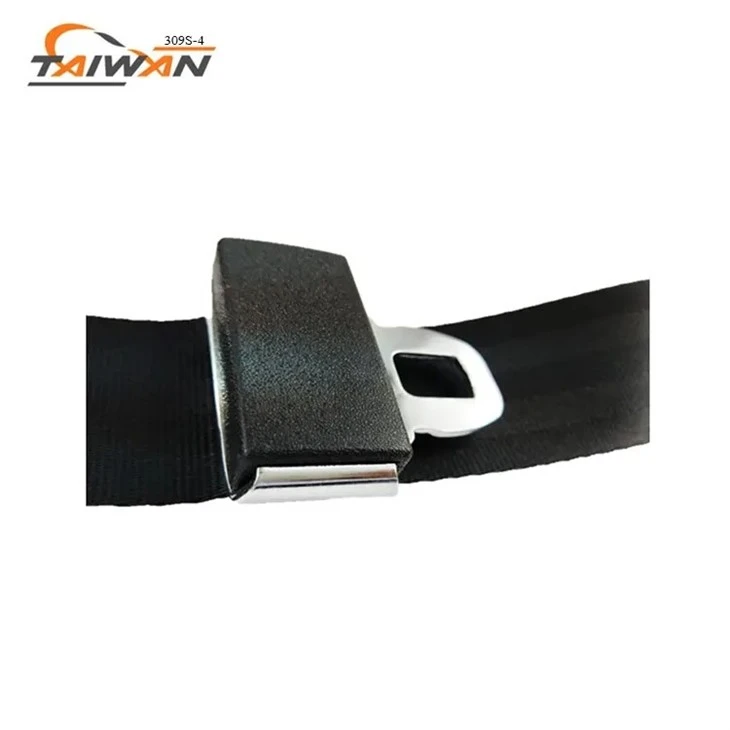
The First 3 Point Seat Belt was a huge innovation in vehicle safety. It provides better protection by restraining the occupant at the hips and across the chest. This type of seat belt distributes the force of an impact more evenly across the body, reducing the risk of serious injury.
If you're also interested in Car Seat Safety Strap, we have information about those too. These straps are crucial for keeping child car seats secure in your truck, ensuring the safety of your little ones on the road.
Making the Right Choice
So, how do you decide between OEM and aftermarket truck seat belts? Well, it depends on your priorities. If you're all about getting a perfect fit and the peace of mind that comes with the manufacturer's quality control, then OEM seat belts might be the way to go. But if you're looking for more options in terms of style and features, and you're on a budget, aftermarket seat belts could be a great choice. Just make sure to do your due diligence and choose a reputable aftermarket manufacturer.
As a truck seat belts supplier, I'm here to help you make an informed decision. Whether you're in the market for OEM or aftermarket seat belts, we've got a wide range of products to meet your needs. We understand that safety is your top concern, and we're committed to providing you with high - quality seat belts that will keep you and your passengers safe on the road.
If you're interested in learning more about our products or have any questions about truck seat belts, don't hesitate to reach out. We're always happy to have a chat with you and help you find the perfect seat belt for your truck. Whether you're a professional truck driver or just use your truck for daily commuting, we've got the right solution for you. Contact us today to start the conversation and let's get you the best truck seat belts out there!
References
- National Highway Traffic Safety Administration (NHTSA)
- Various truck manufacturers' official documentation
- Industry reports on vehicle safety equipment