

Hey there! As a polyester webbing supplier, I've been getting a bunch of questions lately about the difference between polyester webbing and nylon webbing. So, I thought I'd take the time to break it down for you all.
Material Basics
Let's start with the basics. Polyester and nylon are both synthetic fibers, but they have different chemical structures. Polyester is made from polyethylene terephthalate (PET), which is a polymer formed from the reaction of terephthalic acid and ethylene glycol. Nylon, on the other hand, is a polyamide, which means it has amide linkages in its molecular chain.
Strength and Durability
One of the first things people often ask about is strength. Nylon webbing is generally stronger than polyester webbing. It has a higher tensile strength, which means it can withstand more pulling force before breaking. This makes nylon a great choice for applications where you need a lot of strength, like in climbing gear or heavy-duty lifting slings.
But here's the thing: polyester webbing isn't far behind. It's still plenty strong for most everyday uses. And the cool part about polyester is that it's more resistant to abrasion. So, if your webbing is going to be rubbing against rough surfaces a lot, polyester might actually be the better option. For example, if you're using webbing for a dog leash that's going to be dragged along the ground, polyester will hold up better over time.
Resistance to the Elements
When it comes to dealing with the great outdoors, both polyester and nylon have their pros and cons. Polyester webbing is highly resistant to UV rays. This means it won't break down as quickly when exposed to sunlight. So, if you're using webbing for outdoor applications like patio furniture straps or garden hammocks, polyester is a solid choice.
Nylon, however, is more absorbent. It can soak up water, which can lead to mildew and rot if it's not dried properly. But on the flip side, nylon's absorbency can also be an advantage in some cases. For example, in applications where you need the webbing to wick away moisture, like in some types of sports equipment, nylon might be the way to go.
Elasticity
Elasticity is another factor to consider. Nylon webbing has more stretch than polyester. It can stretch up to 20 - 30% of its original length and then bounce back. This can be useful in applications where you need a little give, like in some types of shock-absorbing straps or in certain types of clothing.
Polyester webbing, on the other hand, has very little stretch. It's pretty much inelastic. This makes it ideal for applications where you need a stable, non-stretchy webbing, like in seat belts or in some types of industrial machinery.
Cost
Cost is always a consideration, right? Well, generally speaking, polyester webbing is more affordable than nylon webbing. This is because polyester is easier and cheaper to produce. So, if you're on a budget and you don't need the extra strength or stretch that nylon offers, polyester is a great option.
Colorfastness
If you're looking for webbing in a specific color, colorfastness is important. Polyester webbing has excellent colorfastness. This means the colors won't fade easily, even after repeated washing or exposure to sunlight. So, if you want your webbing to keep looking bright and new for a long time, polyester is the winner here.
Nylon can also be dyed in a wide range of colors, but it's not as colorfast as polyester. The colors might start to fade a bit over time, especially with heavy use and exposure to the elements.
Applications
Now, let's talk about some specific applications for each type of webbing.

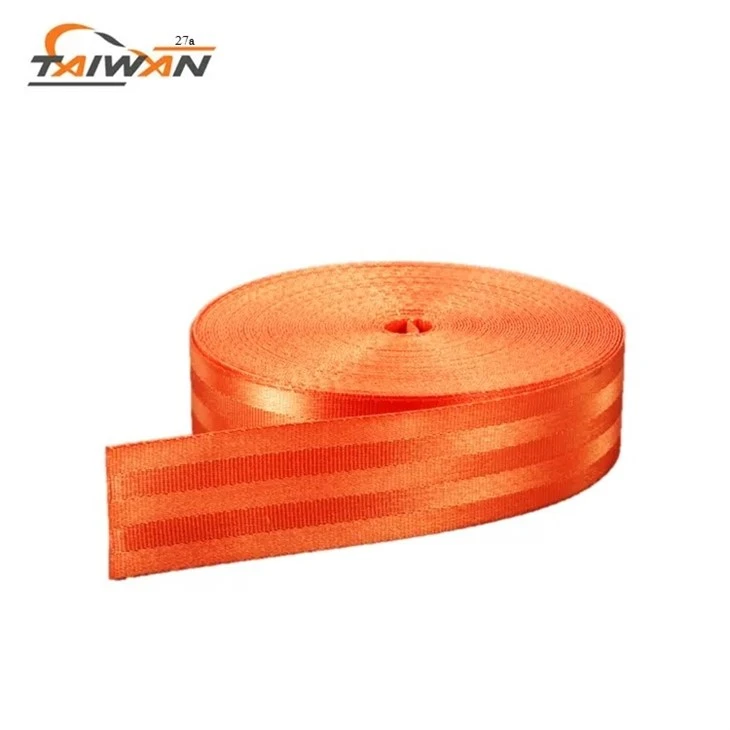
Polyester Webbing Applications
- Custom Webbing: Polyester webbing is perfect for Custom Webbing. You can get it in all sorts of colors, widths, and patterns to suit your specific needs. Whether you're making a custom tote bag or a unique piece of home decor, polyester webbing can be customized to look just the way you want it.
- 25mm Webbing: 25mm Webbing is a popular width for a variety of uses. It's great for making belts, keychains, and even for some light-duty industrial applications. The abrasion resistance of polyester makes it a great choice for these types of uses.
- 3 Panel Seat Belt Webbing: 3 Panel Seat Belt Webbing is often made from polyester. Its strength and inelasticity make it ideal for keeping you safe in your car. The non-stretchy nature of polyester ensures that the seat belt will hold you firmly in place in the event of a collision.
Nylon Webbing Applications
Nylon webbing is commonly used in outdoor gear like backpack straps, climbing harnesses, and tent guy lines. Its high strength and stretch make it perfect for these high-stress applications. It's also used in some types of fashion accessories, like chunky belts and handbag straps, because of its ability to add a bit of stretch and flexibility.
Conclusion
So, to sum it all up, the choice between polyester webbing and nylon webbing really depends on your specific needs. If you need high strength and a bit of stretch, nylon might be the way to go. But if you're looking for something that's more resistant to abrasion, UV rays, and has better colorfastness, polyester is the better option.
As a polyester webbing supplier, I'm here to help you find the perfect webbing for your project. Whether you're a small business owner looking for custom webbing or an individual working on a DIY project, I've got you covered. If you're interested in learning more or want to place an order, just reach out. I'd love to have a chat and see how I can assist you.
References
- "Textile Fibers: Properties and Applications" - A comprehensive guide on synthetic fibers.
- Industry reports on the production and use of polyester and nylon webbing.